Transform Your Smile with Quick, Effective Dental Bonding Near You
Dental bonding offers a straightforward yet powerful cosmetic solution for enhancing your smile. This versatile procedure can address a range of common concerns, from minor chips and gaps to surface discoloration, providing a refreshed and more confident appearance. On this page, we’ll explore what dental bonding entails, how the process works, its many advantages, and how it compares to other aesthetic dental treatments available in Cleveland.
If you’re considering a subtle yet impactful smile enhancement, we invite you to learn more about dental bonding. To discuss your options and schedule a personalized consultation, please contact our Cleveland dental office today at (888) 255-3588.
Why Choose The Facial Aesthetic Designers for Your Dental Bonding?
At The Facial Aesthetic Designers, Dr. John Heimke and our dedicated team are committed to delivering exceptional dental bonding results that are both beautiful and long-lasting. We combine advanced techniques with a patient-centered philosophy to ensure a comfortable and satisfying experience for every individual.
- Experience and Precision: Dr. Heimke brings extensive experience in cosmetic dentistry, utilizing modern methods to achieve predictable and natural-looking outcomes.
- Personalized Care: We prioritize your comfort and understanding, guiding you through each step of the process and addressing all your questions. Your unique aesthetic goals are at the forefront of our treatment planning.
- Cutting-Edge Dental Technology: Our practice incorporates digital smile design and 3D facial scans to meticulously plan your bonding procedure. These tools allow us to visualize expected results and ensure the final shape and shade perfectly complement your facial features.
- Quality Materials: We select high-grade, tooth-colored composite resins that seamlessly blend with your natural enamel, ensuring a durable and aesthetically pleasing finish.

What Exactly Is Dental Bonding?
Dental bonding is a cosmetic dental procedure that involves the application of a tooth-colored composite resin material directly onto the tooth surface. This resin is then carefully sculpted, hardened with a specialized light, and polished to improve the tooth’s shape, size, and color. It’s a minimally invasive technique designed to blend flawlessly with your existing teeth, creating a more uniform and attractive smile.
Composite Resin: The Material Behind Your New Smile
The composite resin used in dental bonding is a sophisticated blend of a plastic (polymer) matrix reinforced with glass or ceramic filler particles. This combination provides both strength and a natural appearance. Available in a wide spectrum of shades, this material allows us to precisely match your natural tooth enamel, ensuring the repair is virtually undetectable. Its versatility also enables our dentists to sculpt intricate details, achieving a highly aesthetic finish.
Conditions Dental Bonding Can Correct
Dental bonding is a highly versatile and conservative option for addressing a variety of minor to moderate cosmetic and restorative dental concerns. It can effectively enhance the appearance and sometimes the function of your teeth:
 Chipped or Fractured Teeth: Bonding can meticulously rebuild the missing portion of a tooth, restoring its original contour and integrity.
- Small Gaps Between Teeth: For minor spaces, composite resin can be applied to subtly widen adjacent teeth, creating a more harmonious and even smile.
- Surface Discoloration and Stains: Bonding can effectively mask stubborn stains or uneven coloring that may not respond to traditional whitening treatments, brightening your smile.
- Irregular Tooth Shape: It can be used to lengthen short teeth, make narrow teeth appear wider, or alter the overall contour of a tooth for a more balanced aesthetic.
- Protecting Exposed Roots: In cases of gum recession, bonding can cover sensitive exposed tooth roots, reducing discomfort and offering protection against decay.
 Chipped or Fractured Teeth:
Beyond improving aesthetics, these repairs can also safeguard your teeth from further wear and sensitivity.
Key Advantages of Choosing Dental Bonding
Opting for dental bonding in Cleveland offers several compelling benefits for individuals seeking to enhance their smile without extensive treatment:
- Minimally Invasive: A significant advantage of bonding is that it typically requires little to no removal of healthy tooth structure, unlike more extensive procedures such as crowns or veneers. This conservative approach preserves your natural tooth integrity.
- Rapid Results: Most dental bonding treatments are completed in a single visit, allowing you to leave our office with an immediately refreshed and improved smile. This makes it an ideal choice for those with busy schedules.
- Cost-Effective Solution: Generally, dental bonding is a more affordable cosmetic option compared to porcelain veneers or other comprehensive restorative treatments, making it accessible for a wider range of budgets.
- Natural Appearance: The composite resin is carefully color-matched to your existing teeth and expertly sculpted to blend seamlessly, resulting in a very natural and unnoticeable enhancement.
- Often No Anesthesia Needed: For many bonding cases, particularly those addressing purely cosmetic concerns without involving deep cavities, local anesthesia may not be necessary, contributing to a more comfortable experience.
Why is dental bonding considered a minimally invasive cosmetic dental solution?
Bonding stands out for its ability to preserve the majority of your natural tooth. Unlike procedures that necessitate significant tooth reduction, bonding adheres directly to the tooth surface, keeping the underlying structure intact. This approach not only minimizes discomfort but also contributes to a quicker recovery period.
The Dental Bonding Procedure: Step-by-Step
At The Facial Aesthetic Designers, we follow a precise and patient-focused process to ensure comfortable and successful dental bonding results. Here’s what you can expect during your visit:
Initial Consultation and Planning
Your journey begins with a thorough discussion of your aesthetic goals and a comprehensive examination of your teeth. We utilize advanced tools like digital smile design to provide a preview of expected results, helping to set realistic expectations and guide precise application. 3D facial scans offer exact measurements, ensuring the resin is shaped accurately for a natural, balanced look.
 Tooth Preparation
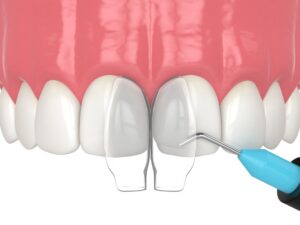 Tooth Preparation
Little preparation is typically needed. The tooth surface is gently roughened with a mild etching solution, which creates microscopic pores to help the bonding material adhere securely. A conditioning liquid, known as a bonding agent, is then applied to prime the surface and ensure a strong, lasting bond between the resin and your enamel or dentin.
Application of Composite Resin
The tooth-colored composite resin is carefully applied to your tooth. Dr. Heimke meticulously layers and sculpts the material to achieve the desired aesthetic shape and natural contour, addressing chips, gaps, or discoloration.
Curing and Hardening
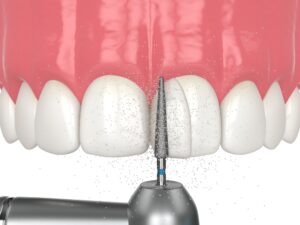 Curing and Hardening
A special curing light is used to quickly harden the resin. This light activates the chemical components within the composite, creating a strong and durable bond with your natural tooth structure.
Final Shaping and Polishing
Once hardened, the bonded material is further trimmed, shaped, and polished. This crucial final step ensures a smooth finish that matches the luster of your surrounding teeth, completing your new, enhanced smile.
If you’re ready to explore how this straightforward procedure can enhance your smile, our team at The Facial Aesthetic Designers is here to assist you. We invite you to call us today at (888) 255-3588 to schedule your consultation.
Caring for Your Bonded Smile
To maximize the lifespan and maintain the beauty of your dental bonding, proper care and consistent oral hygiene are essential. With good habits, your bonded teeth can remain attractive and functional for many years:
- Maintain Excellent Oral Hygiene: Brush your teeth twice daily with a soft-bristle toothbrush and fluoride toothpaste. Floss daily to remove plaque and food particles, paying special attention to the areas around your bonded teeth.
- Be Mindful of Staining Agents: Composite resin can stain over time, similar to natural tooth enamel. Limit your consumption of highly pigmented foods and drinks such as coffee, tea, red wine, and dark berries, especially in the first 24-48 hours after your procedure.
- Avoid Hard Foods and Objects: Refrain from biting directly into very hard foods like ice, hard candies, or nuts, as this can chip or damage the bonding material. Also, avoid using your teeth as tools to open packages or chew on non-food items like pens.
- Regular Dental Check-ups: Schedule routine dental exams and professional cleanings every six months. Your dentist can monitor the condition of your bonding, address any issues promptly, and provide professional cleaning that is gentle on the composite.
- Consider a Nightguard: If you have a habit of grinding or clenching your teeth (bruxism) at night, a custom-fitted nightguard can protect your bonded teeth from excessive wear and potential damage.
Dental Bonding Costs in Cleveland
The cost of dental bonding is generally more affordable than many other cosmetic dental procedures, making it an attractive option for numerous patients. At The Facial Aesthetic Designers, we believe in transparent pricing and helping you understand your investment in a healthier, more confident smile. The total cost can vary based on the complexity of the repair, the number of teeth being treated, and the specific materials utilized.
Typical Price Range for Dental Bonding Per Tooth
In Cleveland, the average cost for dental bonding typically ranges from $250 to $600 per tooth. This price can fluctuate depending on the size of the area to be bonded, the specific location of the tooth in your mouth, and the amount of time and expertise required for the procedure. We recommend a personalized consultation to receive an accurate estimate tailored to your unique goals and treatment plan.
Insurance Coverage and Dental Financing
Some dental insurance plans may cover a portion of dental bonding costs, particularly if the treatment is deemed restorative (e.g., to fill a cavity or protect an exposed root) rather than purely cosmetic. Our team at The Facial Aesthetic Designers can assist you in understanding your insurance benefits and exploring various dental financing options and promotions to make your dental bonding treatment more manageable.
Dental Bonding vs. Other Cosmetic Options
When considering cosmetic dental enhancements, many patients weigh dental bonding against other popular treatments like porcelain veneers. Understanding the differences in durability, cost, and ideal applications is crucial for making an informed decision that aligns with your smile goals and budget.
Which Dental Imperfections Are Best Treated by Bonding Versus Veneers?
Dental bonding is an excellent choice for correcting minor chips, small gaps, and surface stains. It’s a conservative and quick solution for subtle enhancements. Porcelain veneers, on the other hand, are generally preferred for more extensive discoloration, significant alignment issues, or when you desire a longer-lasting and more dramatic cosmetic transformation. Your dentist can help you determine which treatment best suits your specific smile goals and long-term expectations.
Other Alternatives for Cosmetic Improvements
Beyond bonding and veneers, other options exist for enhancing your smile. These include dental crowns for significant structural issues, professional teeth whitening for overall discoloration, and orthodontic treatments like braces or clear aligners for more complex alignment problems. A thorough consultation with your dentist will help identify the most appropriate solution for your individual needs.

Frequently Asked Questions
Recovery from dental bonding is minimal. Most individuals can resume their normal activities immediately. For the first 24 hours, it’s advisable to avoid very hard foods and heavy chewing on the treated area to allow the material to fully settle. Maintaining good oral hygiene is crucial, and you should contact your dentist if you experience any persistent sensitivity or concerns.
Yes, if your dental bonding chips or shows signs of wear, it can often be repaired or replaced. The composite resin can be added to or reshaped to restore its appearance. It’s important to contact your dental provider promptly so they can assess the damage and determine whether a simple repair or a full replacement of the bonded surface is needed. Regular check-ups help in catching such issues early.
Dental bonding is considered minimally invasive because it typically requires little to no removal of healthy tooth structure. The composite material adheres directly to the tooth surface, preserving most of the tooth’s original integrity. This conservative approach contributes to less discomfort and a quicker recovery time compared to more invasive dental procedures.
Before undergoing dental bonding, it’s important to discuss your cosmetic goals, your complete dental history, the specific materials that will be used, the expected lifespan of the bonding, and detailed aftercare instructions. Ask to see before-and-after examples and request a personalized treatment plan, so you have a clear understanding of what to expect throughout the process.
Dental bonding typically lasts between three and 10 years, depending on factors such as your oral hygiene habits, the location of the bonding in your mouth, and habits like teeth grinding or chewing on hard objects. In comparison, porcelain veneers often have a longer lifespan, commonly lasting 10 to 15 years or more. Regular dental check-ups and proper care are key to extending the life of either treatment.
Dental bonding is considered semi-permanent. While a dentist can remove or adjust the resin, the removal process can potentially affect the underlying tooth surface, especially if any etching was performed. It’s important to discuss your long-term plans and expectations with your dental provider before committing to the treatment.
Yes, dental bonding is very commonly used on front teeth and can achieve highly natural-looking results when the shade and shape are meticulously matched to your existing teeth. Over time, however, the composite material can be susceptible to staining or wear, so diligent oral hygiene and regular maintenance are important for preserving a good aesthetic outcome.
Teeth whitening treatments are designed to lighten the overall natural shade of your teeth and are best for widespread, uniform discoloration. Dental bonding, conversely, covers specific stains or uneven tones with a layer of resin. For general brightness, whitening is usually the first step; for localized, deep, or intrinsic staining that whitening cannot address, bonding may be the more effective, targeted solution. Your dentist can recommend the optimal approach for your specific discoloration concerns.
Ready to Enhance Your Smile With The Facial Aesthetic Designers?
Dental bonding in Cleveland offers a conservative, affordable, and highly effective solution for correcting common cosmetic concerns such as chips, gaps, and surface discoloration. This treatment provides fast, natural-looking results that can significantly enhance your smile and boost your confidence. If you’re considering a cosmetic upgrade and wish to explore how dental bonding can refresh your appearance, we encourage you to reach out to a dental professional.
To discuss your options and create a personalized plan that fits your goals, contact The Facial Aesthetic Designers today at (888) 255-3588. See how bonding can transform your smile!