Deep Cleaning Treatment for Gum Disease in Cleveland
Swollen gums, bleeding when you brush, persistent bad breath: these symptoms are easy to dismiss as minor irritations, but they’re often early signals that gum disease is developing. Left unaddressed, periodontal disease can quietly damage the structures supporting your teeth, eventually threatening both your smile and your overall health.
At The Facial Aesthetic Designers, Dr. John Heimke offers scaling and root planing to patients from Lakewood, Fairview Park, and Parma who are ready to take gum disease seriously before it takes a more serious toll. Call our Rocky River cosmetic dentist at (888) 255-3588 today to schedule an evaluation.
What Is Scaling and Root Planing?
Scaling and root planing is a non-surgical deep cleaning procedure designed to treat gum disease — specifically gingivitis and periodontitis — by removing plaque, tartar, and bacterial deposits from below the gumline. Unlike a standard cleaning, which addresses the visible surfaces of teeth, this procedure targets the pockets that form between teeth and gum tissue when disease is present.
Scaling removes hardened deposits from the root surfaces, while root planing smooths those surfaces to eliminate the rough spots where bacteria thrive and to encourage gum tissue to heal and reattach. It is one of the most effective and well-researched non-surgical treatments in periodontal care.
Why Gum Disease Requires Prompt Attention
Gum disease doesn’t develop overnight, and it doesn’t stay confined to the gums. It begins with plaque, which hardens into tartar when not removed. Once tartar develops below the gumline, brushing and flossing can no longer address it. From there, the infection progresses in stages:
- Gingivitis: The earliest stage, characterized by redness, swelling, and bleeding gums. At this stage, the disease is still reversible with professional treatment and improved home care.
- Periodontitis: When gingivitis is left untreated, it advances to periodontitis — a deeper infection that damages the connective tissue and bone supporting the teeth, creating pockets that harbor more bacteria.
- Advanced Periodontitis: In the most severe stage, significant bone loss occurs, and teeth may loosen or require extraction.
Managing gum disease is more than just an aesthetic dental concern. Beyond the mouth, research has consistently linked periodontal disease to systemic conditions, including heart disease, diabetes, and respiratory illness.
Benefits of Scaling and Root Planing
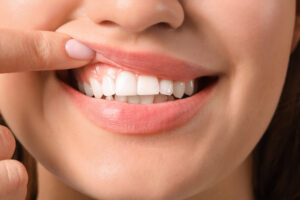 When performed at the right stage of gum disease, scaling and root planing can produce significant improvements in both clinical health and patient comfort:
- Halts disease progression by eliminating the bacterial deposits driving the infection
- Reduces pocket depth as gum tissue heals and reattaches to the tooth root
- Decreases inflammation — swollen, bleeding gums typically respond well within weeks of treatment
- Protects teeth from loss by stabilizing the supporting bone and tissue
- Improves breath by eliminating the anaerobic bacteria responsible for odor in periodontal pockets
- Lowers systemic health risk by reducing the bacterial load associated with gum disease
- Preserves dental restorations by maintaining the healthy gum environment, on which restorations depend
Who Needs Scaling and Root Planing?
Deep cleaning is recommended for patients showing signs of active periodontal disease. Common indicators include:
- Gums that bleed during brushing or flossing
- Red, swollen, or tender gum tissue
- Persistent bad breath that doesn’t resolve with normal hygiene
- Gums that appear to be pulling away from the teeth
- Teeth that feel loose or have shifted
- Periodontal pockets measuring 4mm or deeper at a dental exam
- Visible tartar accumulation below the gumline on X-rays
If you’ve been told you need a deep cleaning or have noticed any of these signs, call (888) 255-3588 to schedule an evaluation at our Rocky River office.
How Dr. Heimke Diagnoses the Need for Scaling and Root Planing
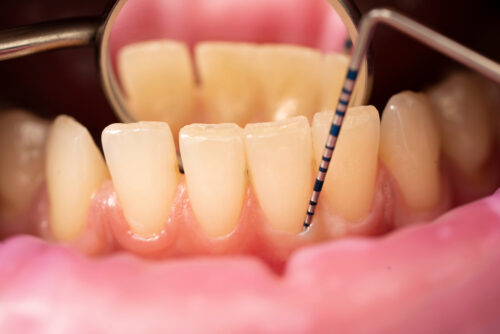 Before recommending a deep cleaning, Dr. Heimke performs a thorough periodontal evaluation:
- Pocket Depth Measurement: A periodontal probe is used to measure the spaces between your gums and teeth. Healthy pockets measure 1–3mm; pockets of 4mm or more indicate gum disease requiring treatment.
- Digital X-Rays: Imaging reveals bone levels around the teeth and helps identify areas of loss that aren’t visible clinically.
- Tissue Evaluation: The color, texture, and behavior of gum tissue, including whether it bleeds on contact, are assessed as part of the overall picture.
- Medical History Review: Certain medications and health conditions affect gum health and are factored into the evaluation and treatment plan.
The Scaling and Root Planing Procedure: What to Expect
Consultation and Assessment
Dr. Heimke reviews your periodontal health, discusses your symptoms and goals, and outlines what treatment will involve. X-rays and pocket measurements help determine the extent of the disease and how many visits will be needed.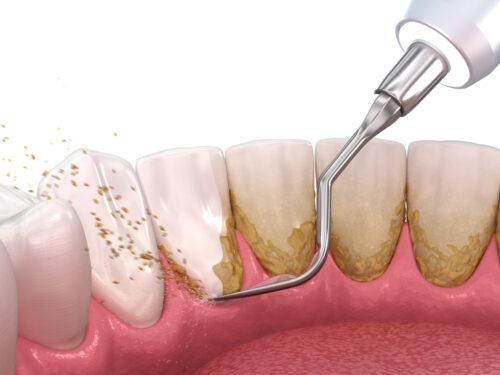
Anesthesia and Comfort
A local anesthetic is applied to numb the treatment area before the procedure begins. For patients with dental anxiety, additional comfort options are available. Let the team know at scheduling whether you require additional sedation or accommodations.
Scaling
Using a combination of manual instruments and ultrasonic scalers, Dr. Heimke removes plaque and tartar from above and below the gumline. Ultrasonic scalers use vibration and a water spray to break up deposits efficiently and flush bacteria from the pockets.
Root Planing
The root surfaces are then carefully smoothed to remove bacterial toxins and create a cleaner surface that promotes gum reattachment. This step is what distinguishes a deep cleaning from a standard prophylaxis — it addresses the root cause of the pocket rather than just the visible buildup.
Post-Treatment Care
Following the procedure, antimicrobial agents may be applied directly to the treated area. Dr. Heimke will provide aftercare instructions and, where appropriate, may recommend a prescription rinse or antibiotic to support healing.
Frequently Asked Questions
The procedure itself is performed under local anesthesia, so discomfort during treatment is minimal. Some patients experience tenderness, mild swelling, or sensitivity in the treated area for a few days afterward, which typically resolves on its own. Over-the-counter pain relievers and a soft diet for a day or two are usually all that’s needed. Most patients find the recovery far more manageable than they anticipated, and the improvement in gum comfort that follows treatment more than makes up for the brief recovery period.
This depends on the severity and extent of the gum disease. Some patients with mild to moderate periodontitis can be treated in a single visit. More commonly, the mouth is divided into quadrants and treated over two to four appointments to keep each session manageable and comfortable. Dr. Heimke will outline a clear treatment plan at your consultation so you know exactly what to expect before any treatment begins.
Scaling and root planing treat active periodontal disease, but they do not make you immune to its recurrence. Following treatment, most patients are placed on a periodontal maintenance schedule to monitor pocket depths, remove any new deposits before they progress, and sustain the clinical improvements achieved. Consistent maintenance is the single most important factor in long-term success after scaling and root planing.
Most dental insurance plans cover scaling and root planing when it is clinically indicated — meaning when pocket depths and clinical findings confirm the presence of periodontal disease. Coverage percentages and annual maximums vary by plan. Our team is happy to help you understand your benefits and identify any out-of-pocket costs before you commit to treatment. Call (888) 255-3588, and we’ll work through the details with you.
In most cases, periodontal health needs to be established before cosmetic or restorative treatment can proceed. Ongoing periodontal infection can create problems in treatments like dental implants or significantly decrease the longevity of treatments like teeth whitening. Dr. Heimke evaluates this as part of every comprehensive exam and will give you an honest assessment of sequencing.
Stop Gum Disease Before It Stops You
Gum disease is progressive, but it is also treatable, especially when addressed early. Patients from Westlake, Avon, and Lakewood are welcome at The Facial Aesthetic Designers™ for a thorough periodontal evaluation and, where needed, scaling and root planing performed with the same precision and care as every other service at our Rocky River dental practice. Call (888) 255-3588 or visit us at either our Rocky River or Cleveland location. Your gum health is the foundation of everything.